
Sheridan Fire District

Sheridan Fire District
County: Polk
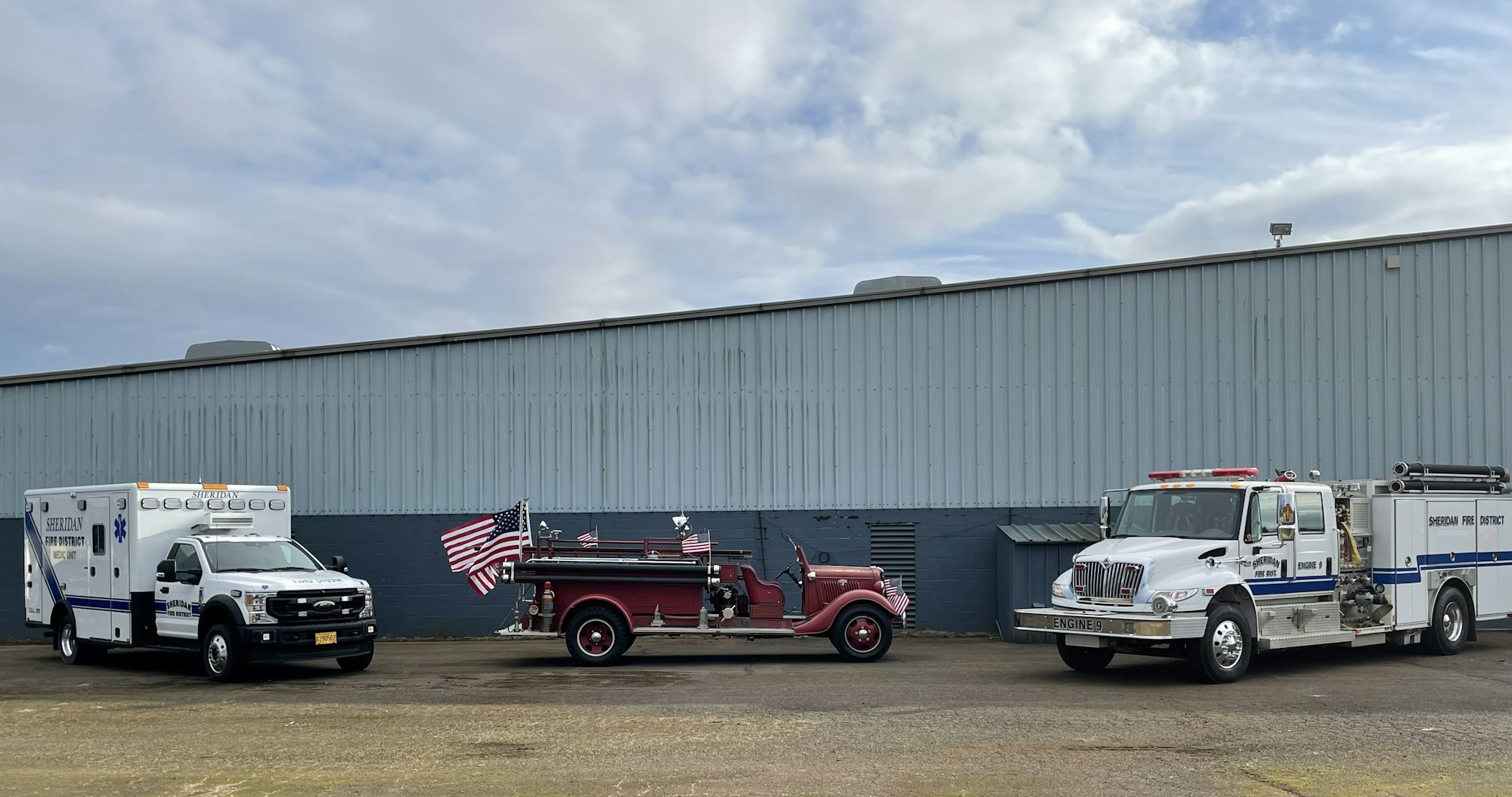
Sheridan Fire Department began in 1886 as part of the city of Sheridan. It served a population of approximately 200 people and about forty square miles, including the city of Sheridan and the farming community around it. As the city has grown and the surrounding area has become more populated, the Fire Department transitioned from a city department to a special district, not limited by city boundaries, becoming a separate entity from the city altogether.
Today we serve and protect a population of over 10,000 people, not including the thousands of people a day who travel through our district. Sheridan Fire District now covers 145 square miles of forest land, farmland, and the communities of Sheridan, Buell, and Ballston.
Boundaries
0 of 2 zones are open today. Tap a zone for its burn season and status.

Seasonal Closure
Department Contacts
-
Website https://www.sheridanfd.org/
-
Public Status Page https://beforeyouburn.com/a/sheridan-fire-district
-
Non-Emergency Phone (503) 843-2467
-
Facebook Page https://www.facebook.com/sheridanfire/
Boundaries
0 of 2 open- Sheridan City Limits Online registration not available for this location Call Local Agency
- Sheridan Fire District Burn season opens Mar 1 Closed

Good
Fine particles (PM2.5), including smoke
Air quality is satisfactory, and air pollution poses little or no risk.
Nearby monitors · last 24 hours
7-Day Fire Weather Forecast
Sheridan Fire District, 230 SW Mill St, Sheridan, OR 97378, USA7-day outlook
2 of the next 7 days rate Moderate fire weather, and none rate High.
Drivers: heat (2 days) and wind (1 day). Gusts peak at 47 mph from the SSW on Sat 7 Nov. Rain is most likely on Sat 7 Nov (100%).
Forecast from NOAA GFS + HRRR (noaa.gov). Soil moisture comes from the standard NOAA forecast. Fire weather ratings are Before You Burn guidance, not an official fire danger rating. Always check your agency's burn status.
Brought To You By
For Residents
For Residents within the Sheridan Fire District jurisdiction: Sign in to learn about your local Outdoor Burning Regulations, communicate with your local fire agency officials, read condition reports, create and update your own outdoor burn status.
This service is free, brought to you by this public safety partnership with Sheridan Fire District.
About PFS
At PublicFireSafety.com (or PFS), our mission is to improve communication in public safety.
By coordinating the needs of our public safety agencies and the residents they serve, PFS is working with these professionals and residents to re-imagine permitting, regulations, safety and communication for modern communities.
Regional Partners
State of Oregon
Oregon is served by a coordinated network of state, regional, and local agencies that work together to protect communities, manage natural resources, and deliver essential services. From environmental protection to public safety, these agencies ensure responsive, equitable governance across the state’s diverse landscapes—supporting residents through collaboration, innovation, and a commitment to community well-being.
